

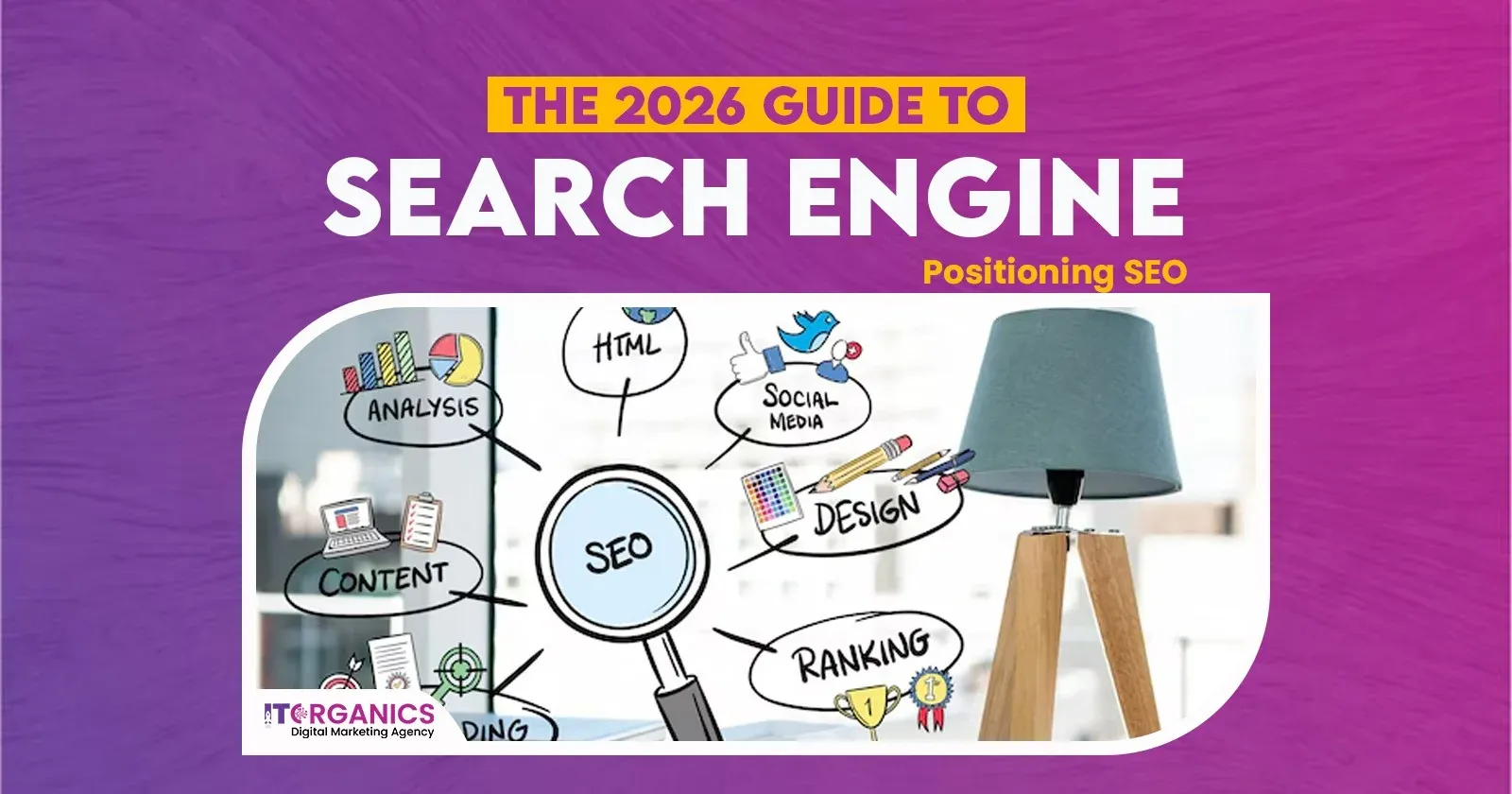
Search engine positioning focuses on how a particular page appears for relevant search queries. The practical task is to understand its current visibility, whether it answers the intended query and which improvements are supported by evidence.
This guide covers ranking analysis and page improvement. If a page is missing from Google entirely, start with our discovery and indexing guide. For an ongoing commercial engagement, see SEO services.
What is search engine positioning?
Search engine positioning is the assessment and improvement of a page’s visibility for a defined query or query group. SEO is broader: it also covers discovery, crawling, indexing, site structure and useful content.
A position is a measurement in a particular context, not a permanent property of a page. Device, market, query and the search result layout matter when comparing observations.
Search Engine Positioning vs. SEO
Comparison Factor | Search Engine Positioning | Search Engine Optimization (SEO) |
Definition | Where a single page shows up in search results for a specific query. | The work of getting a whole website seen more often in organic search. |
Primary Goal | Win and hold good rankings for the keywords you target. | Bring in more organic traffic and help the site perform better overall. |
Main Focus | Keyword rankings and where you sit on the results page. | Technical fixes, on-page work, off-page work and content. |
Scope | Narrow: how pages rank. | Wide: the full site and how it appears in search. |
Key Activities | Tracking positions, studying the results page, mapping keywords to pages, and improving those pages. | Keyword research, writing content, building links, running technical audits and tuning pages. |
Performance Measurement | Keyword positions, ranking shifts, impressions, and click-through rate. | Organic traffic, conversions, keyword visibility and engagement. |
Tools | Google Search Console, Semrush Position Tracking, Ahrefs Rank Tracker. | Google Analytics, Google Search Console, Semrush, Ahrefs, Screaming Frog. |
Expected Outcome | Better positions for the queries that matter to you. | Steady organic growth and stronger visibility in search. |
Why Search Engine Positioning Matters
Relevant visibility can create opportunities for discovery, but a higher position does not guarantee a visit, qualified inquiry or sale. Evaluate impressions and clicks alongside the page’s business purpose and available conversion evidence.
Do not present organic ranking work as a guaranteed improvement in paid-ad return. Paid campaign performance needs its own measurement.
5 Factors to Review Before Changing a Page
Start with a defined page and query group. Record the baseline, date range, market and device before changing the page. The following review areas are a practical checklist, not a formula that guarantees a ranking.
Factor | What to check | Useful tool |
User intent | Does the page match what searchers want for this query? | Google results page, Search Console |
Content | Is the answer clear, accurate, and backed by real experience? | Manual review |
Mobile usability | Can a visitor read, navigate, and take the next step on a small screen? | Real device, Chrome DevTools |
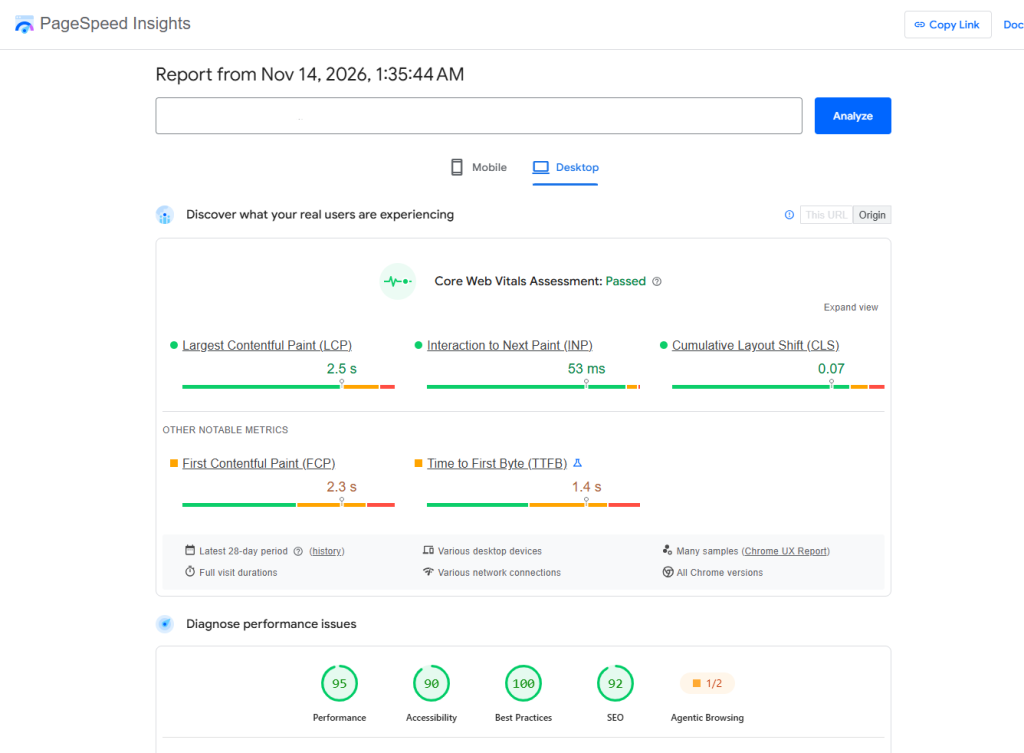
Page speed | Where is the page actually slow? | PageSpeed Insights |
Internal links | Do related pages link here with descriptive anchors? | Site crawl, Search Console |
1. User Intent
Identify the task behind the query: learning, comparing providers, finding a location or buying a service. Compare the page’s purpose with the kinds of results visible for that query. Do not force a general blog post to act as a service landing page.
2. Content Creation
Answer the intended question clearly and add relevant first-hand evidence where it exists. Correct unsupported claims and identify the author or reviewer accurately. See Google’s people-first content guidance.
3. Mobile Optimization
Check the page’s main task on a narrow screen: reading the answer, opening navigation and using the next-step link or form. Record actual problems such as overlap or clipped controls rather than assuming a responsive theme works perfectly.
4. Page Speed
Measure performance before selecting a fix. A faster page can improve usability, but speed alone does not guarantee a higher ranking. Google’s page experience guidance places performance within a broader experience assessment.
5. Contextual internal links
Add contextual links from genuinely related pages using descriptive anchors. Make the relationship useful to readers. Avoid repeating the same keyword in every anchor or linking unrelated articles only to increase link counts.
Search Engine Positioning Techniques
Separate changes you can make on the page from evidence you need to gather about its wider context. Record what changed so that later comparisons do not confuse several simultaneous interventions.
On-Page Optimization
- Use a title and main heading that describe the page’s actual purpose.
- Put the central answer or offer where readers can find it.
- Organize supporting sections logically.
- Link relevant supporting and next-step pages.
- Check canonical and indexing directives before interpreting ranking data.
Off-Page Optimization
Assess relevant references and mentions on their merits. A social reaction or mention is not proof of ranking authority. Do not buy or fabricate links to manipulate results, and do not claim backlink strength without actual link data.
SEO Positioning Best Practices
Update information when it needs correction or expansion, not merely to change a date. Use structured data only when it matches visible content. Check analytics definitions before drawing conclusions. Repeated edits and keyword additions are not a substitute for a clear page purpose.
Advanced SEO Positioning for Competitive Markets
Compare competing results for the same search intent. Look for unanswered questions, stronger evidence, clearer service scope or better usability. Record the real URLs and observations. A competitor’s presence in one result does not reveal its traffic, backlinks or conversion rate.
Measure ranking changes in context
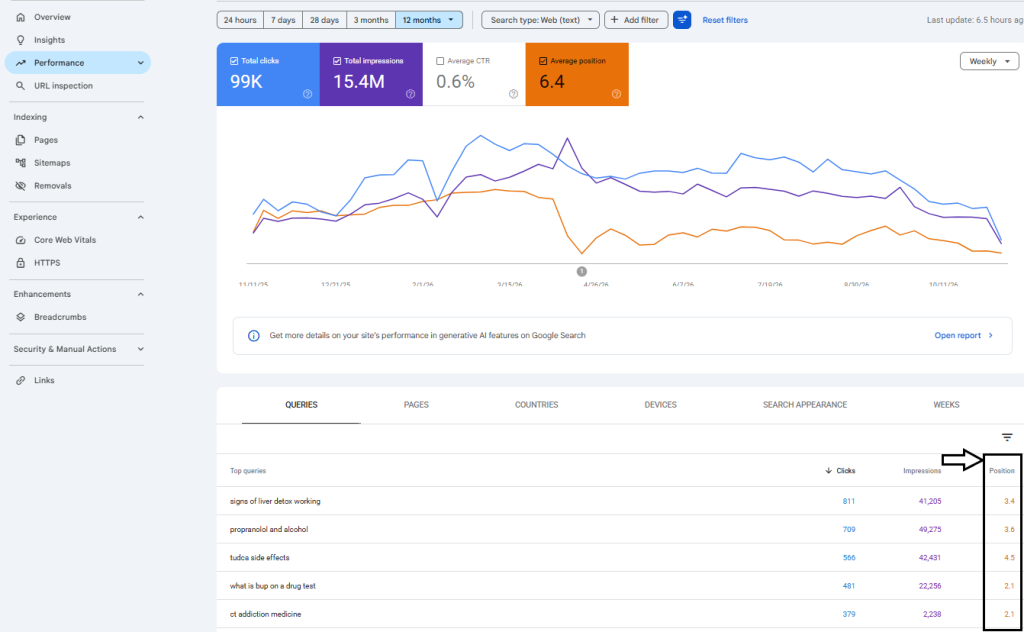
Review query and page data over comparable periods. Segment by device or market where useful, and note seasonal changes or changed result layouts. Average position alone can hide changes in the query mix. Pair it with impressions, clicks and qualified outcomes where available.
How to Run a Search Positioning Audit
A positioning review should record the target URL, intent, query group, current evidence and a proposed change. Check access and canonical issues, content relevance, internal links and measured page experience. Mark missing data explicitly rather than treating an untested possibility as a diagnosed cause.
How to Improve Search Engine Positioning (Step by Step)
- Define the page and query group.
- Confirm that the page can be discovered and indexed.
- Record a baseline with its limitations.
- Make the highest-value evidence-supported improvement.
- Verify the live result and monitor an appropriate comparison period.
No provider can guarantee a number-one position. See Google’s guidance on hiring an SEO.
Common Search Engine Positioning Mistakes
- Changing many things at once, then not knowing which one mattered.
- Judging success by average position alone.
- Forcing a blog post to compete as a service page (or the reverse).
- Adding keywords instead of improving the answer.
- Reporting AI visibility without an observed result.
How Long Does It Take to See Changes?
It varies. Some updates are picked up within days, while others take weeks to show in your data, depending on how often the page is crawled and how competitive the query is. Compare equal time periods and avoid judging a change too early.
How AI Search Affects Search Engine Positioning
Distinguish a conventional search listing from an AI-generated answer, a brand mention and a cited link. Do not report AI visibility without an observed result or supported report. Our zero-click search guide explains these measurement distinctions.
Plan a focused page review
Use search positioning to prioritize useful page improvements and measure them honestly. For a scoped review of your website, contact IT Organics LLC with the pages, markets and goals you want to assess.