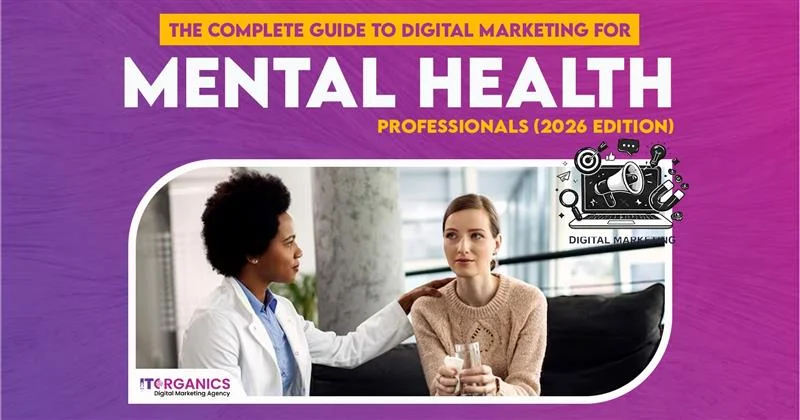
We were sitting in a strategy meeting at IT Organics earlier this year when one of our team members said something that stuck with me:
“Therapists don’t need more marketing noise. They need trust.”
And that’s really what this entire guide is about.
Because digital marketing for mental health professionals isn’t like selling shoes or gadgets. It’s about reaching someone quietly searching at 11:47 p.m., unsure if they even want to click “Book Now.” It’s about building comfort before conversion.
So let’s walk through what actually works in 2026 — not hype, not trends for the sake of trends — but real, steady growth.
Why Mental Health Marketing Feels Different
When we onboard a therapist or clinic at IT Organics LLC, we always start with one question: “What kind of client do you want more of?”
Not more traffic. Not more clicks. More of the right people.
Digital marketing for mental health professionals has to be rooted in empathy. Your website isn’t just a landing page — it’s a first impression. Your social media isn’t content — it’s reassurance. Your SEO isn’t ranking — it’s visibility for someone in need.
That shift in mindset changes everything. You stop chasing vanity metrics and start focusing on connection.
Building a Foundation Before Running Campaigns
Before ads, before content calendars, before analytics dashboards — we focus on foundations.
At IT Organics, when we help clinics with digital marketing for mental health professionals, we audit three things first:
- Website clarity
- Local presence
- Message alignment
If your homepage confuses visitors, no ad will fix that. If your booking process feels complicated, SEO won’t save conversions. Marketing amplifies what already exists — so we fix the structure first.
It’s less glamorous. But it works.
Local SEO Is Quietly Powerful
Most therapy practices are local. People search things like “therapist near me” or “anxiety counseling in [city].”
That’s where local SEO for therapists becomes essential.
We usually begin with Google Business Profile optimization. At IT Organics, we guide therapists through:
- Choosing the correct primary and secondary categories
- Writing a location-rich but natural description
- Uploading real office photos (not stock images)
- Adding services individually
- Encouraging ethical, organic reviews
- Responding to reviews thoughtfully
Then we align the website with those local signals — consistent name, address, phone number, embedded maps, city-based service pages.
It sounds technical. But really, it’s about helping Google understand where you serve — so the right people can find you.
SEO Isn’t About Gaming the System
Let’s clear something up. SEO for mental health professionals is not about stuffing keywords into blog posts.
It’s about answering real questions your future clients are already typing into search bars.
At IT Organics, when we build an SEO roadmap for a therapist, we look at:
- Common conditions treated (anxiety, trauma, burnout)
- Client demographics (teens, couples, executives)
- Local intent
- Search behavior patterns
We create service pages that speak clearly. We structure content properly. We ensure technical health — site speed, mobile optimization, secure hosting.
SEO becomes less mysterious when you treat it as organized clarity.
Social Media Should Feel Human, Not Corporate
We often tell therapists: “You don’t need to be influencers.”
Social media marketing for therapists works best when it feels grounded and real.
At IT Organics, we help practices create:
- Gentle educational posts
- Short myth-busting reels
- Affirmation-style content
- Behind-the-scenes glimpses of the office
- Mental health awareness calendar posts
- No aggressive selling. No forced trends.
Just consistent presence. Because sometimes someone follows a therapist for three months before finally booking.
That quiet familiarity matters.
Content Marketing That Actually Builds Authority
Content marketing for mental health practices is one of the most underused growth tools.
But here’s the mistake we see: therapists writing only for peers instead of clients.
At IT Organics, we guide clinics to write content that:
- Breaks down complex terms into simple language
- Validates emotional experiences
- Explains therapy processes
- Addresses fears about starting therapy
Blog topics for therapists might include:
- “What to Expect in Your First Therapy Session”
- “Signs You Might Be Experiencing Burnout”
- “How Anxiety Shows Up Physically”
- “Is Online Therapy as Effective as In-Person?”
When written conversationally, these posts rank over time — and build trust before the first call.
Paid Advertising Without Pressure
Sometimes organic growth takes time. That’s when we carefully layer paid campaigns.
When discussing digital marketing for therapists internally at IT Organics, we emphasize restraint.
Google Ads campaigns should:
- Target high-intent keywords
- Focus on local areas
- Use clear but gentle messaging
- Direct to specific service pages
- No fear-based marketing. No urgency manipulation.
Just “We’re here if you need support.”
Telehealth Changed Everything
Since 2020, telehealth therapists’ marketing ideas have evolved fast.
In 2026, many clients actually prefer virtual sessions. So marketing must reflect that flexibility.
At IT Organics, we help therapists:
- Create separate telehealth landing pages
- Clarify licensing states served
- Optimize for “online therapy” searches
- Add FAQs about privacy and technology
- Highlight convenience and accessibility
Virtual services expand geographic reach — but messaging must still feel personal.
Social Media Marketing for Therapists
Let’s be honest — social media can feel overwhelming for a lot of therapists. Posting about mental health? People are sensitive. It’s easy to overthink every word.
At IT Organics, we always tell our clients, “Relax, it doesn’t have to be perfect.” Think of social media as a way to connect, not sell. A simple post with three tips for managing anxiety or a short video explaining what a therapy session looks like can do wonders. People notice consistency, not flashiness.
Even just showing your office, your daily routine, or answering common questions casually can build trust. Over time, someone scrolling through Instagram or Facebook starts to feel like they already know you — and that makes them more likely to reach out.
Marketing Strategies That Actually Work
Let’s cut through the noise: marketing a therapy practice isn’t about flashy gimmicks. It’s about being seen in the right way, by the right people.
Client-centered approach: Everything you post or promote should answer questions your future clients actually have.
Multi-channel presence: Website, Google listings, social media — they work together, not separately.
Consistency over frequency: Posting a few quality posts a week is better than daily rushed content.
Transparency and empathy: Avoid “salesy” language; your voice should feel supportive.
At IT Organics, when we talk strategy, we always focus on three things: who you want to reach, where they are, and what they care about. That could be social media posts, blogs, emails, or even Google Maps.
And here’s the thing — consistency beats frequency. Posting a couple of thoughtful, relatable posts a week is better than blasting out content every day that nobody connects with. It’s about building familiarity over time, and yes, trust.
Content Marketing That Builds Real Connections
Content marketing is a funny thing — it’s not about sounding smart or technical. It’s about speaking human.
When we help therapists at IT Organics, we guide them to write content that’s approachable. Things like breaking down therapy terms, sharing calming exercises, or giving tips for first-time clients. Simple, helpful, empathetic.
Even short blog posts or social media updates that answer questions like “How do I know if therapy is right for me?” go a long way. It’s content that people actually care about, not just keywords for Google.
Blog Topics That Actually Help
You might be thinking, “I don’t even know what to write about!” Trust me, that’s normal.
Some ideas we throw around at IT Organics include:
- How to prep for your first therapy session
- Tips for handling stress in your day-to-day life
- Common misconceptions about therapy
- How online therapy works and what to expect
- Quick exercises to manage anxiety
These topics are relatable, helpful, and naturally improve your SEO without feeling like a “sales pitch.” And the best part? Each post gently builds credibility with people who might not have booked a session yet.
SEO for Therapists Without the Headache
SEO doesn’t have to feel like rocket science. Honestly, most therapists don’t have the time to learn it, and they shouldn’t have to.
At IT Organics, we start simple. Make sure your website clearly lists your services, location, and contact info. Then, optimize for the search phrases your clients actually type — things like “therapist near me” or “online therapy in [city].”
Technical health: Mobile-friendly, fast-loading sites with SSL certificates improve rankings and credibility.
Keyword research: Focus on phrases potential clients actually use, like “anxiety therapy near me” or “couples counseling [city].”
We also take care of Google Business Profile, local directories, and content optimization so your practice shows up when it counts. And yes, we check site speed and mobile friendliness too — small details that make a huge difference.
Choosing the Right Tools
There’s no shortage of marketing tools. But therapists don’t need all of them.
We usually recommend:
- Simple CRM systems for follow-up
- HIPAA-compliant email platforms
- Scheduling integrations
- Analytics dashboards for tracking traffic
- Review management tools
The best digital tools for therapists’ marketing are the ones that reduce workload — not increase it.
Marketing should support clinical work, not compete with it.
The Real Question: How to Market a Therapy Practice Online
When clients ask how to market a therapy practice online, the honest answer is this:
Slowly. Consistently. Authentically.
You don’t need viral fame. You need steady visibility.
That’s why digital marketing for mental health professionals works best as a long-term strategy. Not a quick spike. Not a seasonal push.
At IT Organics, we build 6 and 12-month plans. Because trust doesn’t grow overnight.
Putting It All Together
By now, you can probably see the pattern.
Digital marketing for mental health professionals is not only about showcasing flashy tactics but it represents visibility and clarity with the passage of time.
From SEO to local listings, from social content to blogs, from telehealth expansion to analytics — everything connects.
And when we sit down as a team at IT Organics reviewing client growth charts, the biggest wins don’t come from one tactic. They come from alignment.
Final Words
If you’ve made it this far, here’s what’s important to know.
Marketing a therapy practice in 2026 is absolutely possible without losing your authenticity.
- You don’t have to become loud.
- You don’t have to chase every trend.
- You don’t have to feel uncomfortable promoting yourself.
- But you do need visibility.
Digital marketing for mental health professionals is simply the bridge between your expertise and the people searching for it.
When done thoughtfully — with proper SEO, local presence, content, and steady strategy — it becomes a growth multiplier. Not in a flashy way. In a sustainable way.
And honestly? The therapists who commit to consistent marketing are the ones who fill their calendars without feeling salesy.
That’s the balance we help create at IT Organics LLC.
FAQs
-
What is digital marketing for mental health professionals?
It’s a strategy that helps therapists and clinics build visibility online through SEO, local listings, content, social media, and ads — in a way that builds trust.
-
How important is SEO for therapists?
Very important. Most clients search online before booking. Strong SEO helps your practice appear when they’re actively looking.
-
Do therapists need social media to grow?
Not necessarily viral presence — but consistent, human content builds familiarity and credibility over time.
-
Is paid advertising necessary for therapy practices?
Initially it is not necessary. These are used when you offer specific services.
-
How long does it take to see results?
Usually 3–6 months for noticeable traction, depending on competition and consistency.
-
Can IT Organics manage everything for a therapy clinic?
Yes. From SEO and content to local optimization and paid campaigns, we create integrated strategies tailored specifically for mental health practices.