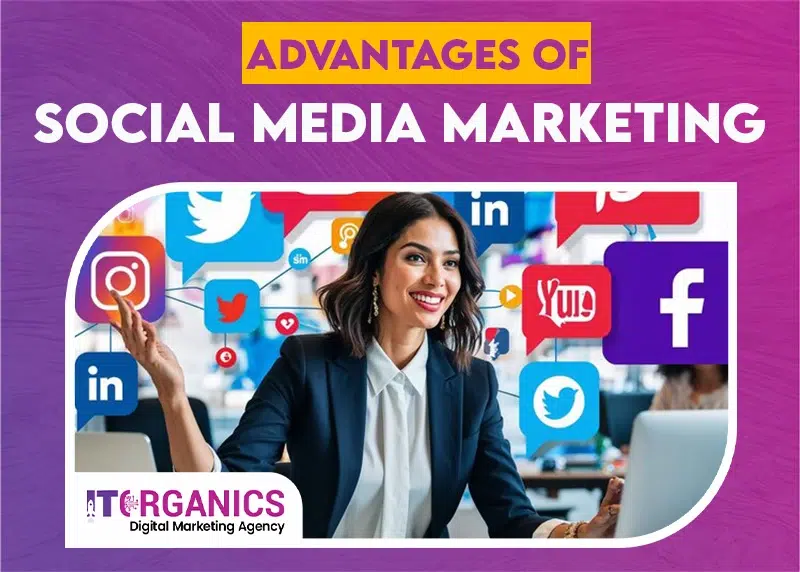
Social media marketing can help a business explain its offer, distribute useful content, listen to questions, and create a route to further conversation. These are opportunities, not guaranteed increases in sales. The value depends on the audience, content, time invested, and the way inquiries are handled.
This guide compares benefits and trade-offs. For delivery scope, see our social media marketing services.
Potential advantages and how to evaluate them
| Opportunity | Practical use | Evidence to review |
|---|---|---|
| Brand visibility | Explain who you help and what you offer. | Relevant reach and profile visits, with reporting limits noted. |
| Customer understanding | Collect recurring questions and objections. | Useful themes in comments, messages, and sales conversations. |
| Content distribution | Share guides, examples, and service explanations. | Visits to relevant pages and what visitors do next. |
| Relationship building | Respond helpfully and maintain a consistent presence. | Conversation quality and follow-up opportunities. |
| Lead generation | Connect a relevant offer to a clear next step. | Qualified inquiries, sales follow-up and attributed outcomes where measurable. |
| Creative learning | Test different messages and formats. | Comparable results against a stated hypothesis. |
Organic activity and paid advertising have different roles
Organic social includes publishing and interacting through business profiles. Paid social uses advertising spend to distribute campaigns under a platform’s available formats and rules. A content calendar does not automatically include ad management, and an advertising budget does not cover every creative or management cost.
Define the objective before choosing either approach. An educational series, a product announcement, and a lead campaign need different assets and success measures. Check current platform requirements before configuring an advertising campaign.
Where social media can help a small business
Make the offer easier to understand
Use concise explanations, product demonstrations, or approved project examples to answer questions a prospective customer asks. Send people to a page that continues the same topic rather than a generic destination.
Learn from real questions
Comments and inquiries can reveal confusing descriptions or missing information. Record recurring themes and improve the relevant website page or sales material. A small collection of comments is not a representative market survey; treat it as a source of questions to investigate.
Support follow-up and trust
A maintained profile gives people another way to understand the business. Use genuine team information and authorized client examples when available. Assign responsibility for replies and escalation so that an inquiry does not disappear between marketing and sales.
Costs and disadvantages to plan for
- Time and production: research, writing, design, approval, and replies require capacity even when publishing has no media fee.
- Platform dependence: available features and distribution can change, so keep your website and owned records useful.
- Public feedback: prepare a response process and move private account details to an appropriate channel.
- Measurement gaps: a person may see a post and contact the business elsewhere; available attribution may be incomplete.
- Opportunity cost: activity on an unsuitable platform can consume resources without reaching the intended buyers.
Compare social media with other marketing options
Compare channels against the same business goal and total cost. Social media, search, email, and offline activity can serve different tasks. Avoid assuming social is always cheaper or traditional marketing is always unmeasurable. A useful comparison includes production, distribution, management, and follow-up costs.
Social activity should not be presented as a guarantee of higher organic search rankings. When website discovery is the main problem, assess it separately through SEO services.
A simple evaluation process
- Describe the audience and the decision you want to support.
- Choose a channel based on evidence about those buyers, not popularity alone.
- Define a manageable content scope and an owner for replies.
- Set a baseline and a review period.
- Track useful conversations and qualified inquiries alongside activity metrics.
- Decide what to keep, change, or stop based on the evidence and its limitations.
Frequently asked questions
Does social media marketing guarantee sales?
No. Sales also depend on the offer, audience fit, price, buying cycle, and follow-up. Set realistic objectives and measure outcomes separately from impressions or reactions.
Which platform should a B2B business use?
Start with where its intended buyers research, discuss, and evaluate relevant topics. Test that assumption with customer conversations and available performance data rather than choosing a platform solely because it is described as “best for B2B.”
When is hiring an agency useful?
An agency may help when the required planning, production, or management exceeds internal capacity. Compare the proposed scope, evidence, approvals, and reporting with what your team can do itself.
Discuss your social media scope
Review our content writing and graphic design services for related production needs, or contact IT Organics LLC with your audience, goals, and existing channels.